The Confidence Machine
Why modern systems reward confidence over correctness, and how fragile answers become inevitable.
The Confidence Machine is a standalone companion to the series.
It examines the behavioural and structural forces that reward confidence over accuracy, and explains why fragile answers come to dominate modern organisations and technologies.
Rather than focusing on knowledge itself, the book looks at the incentives, interfaces, and social dynamics that turn provisional conclusions into unquestionable defaults.
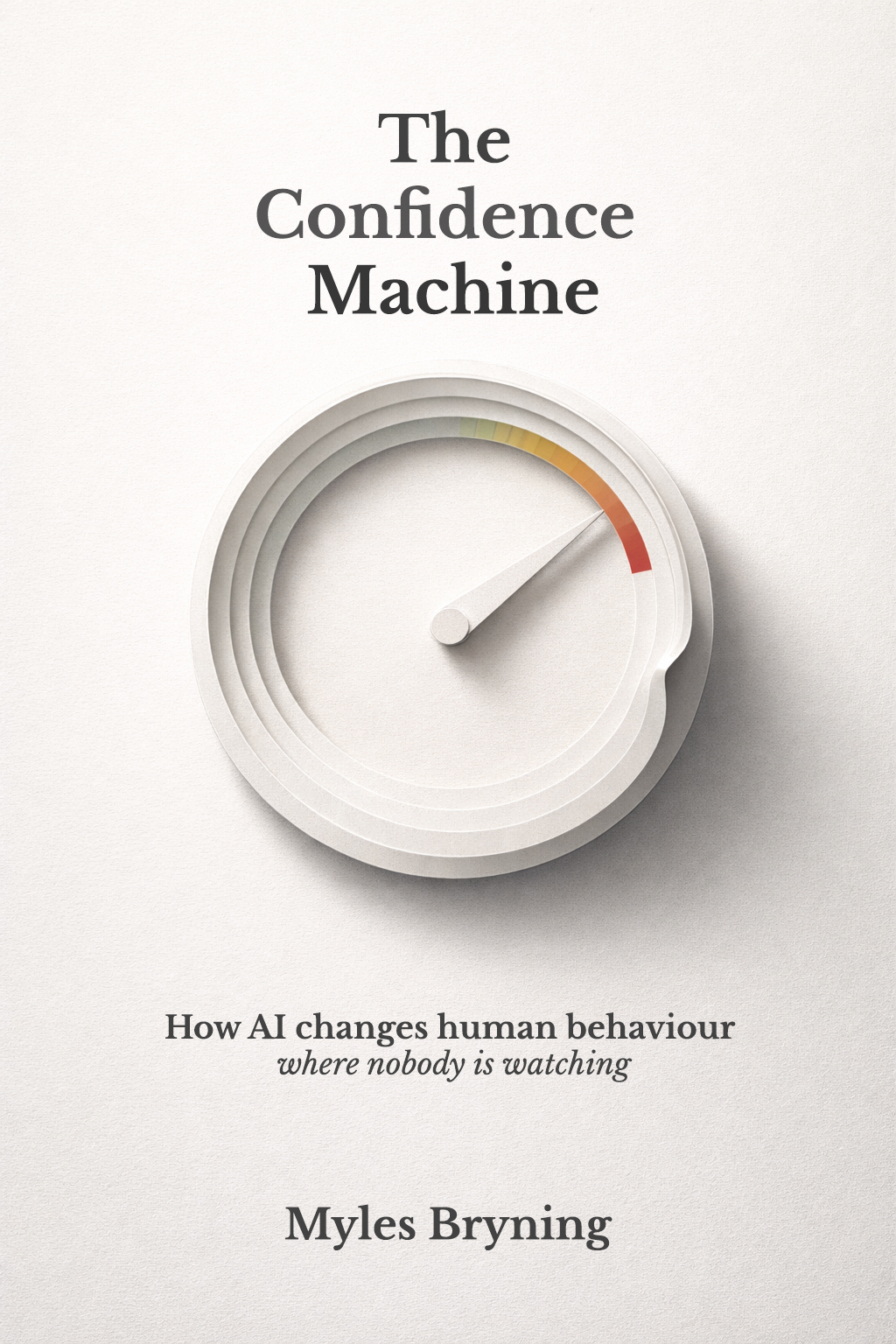
What this book examines
- How confidence compounds without being tested
- Why doubt is socially and operationally penalised
- How dashboards, metrics, and automation flatten nuance
- Why "it's been fine so far" is one of the most dangerous phrases in systems
Central argument
Modern systems optimise for fluency, speed, and calm.
Confidence becomes a proxy for truth because it moves work forward and reduces friction. Over time, repeated acceptance is mistaken for reliability, and trust is inferred from silence rather than evidence.
This book explains why these dynamics feel inevitable, even when they are not.
Who this book is for
This book is for readers interested in:
- organisational behaviour
- decision-making under pressure
- AI, automation, and institutional trust
- why sensible people end up defending fragile systems
What the reader gains
A clear diagnosis of the confidence dynamics that shape modern decision-making. The book provides the psychological and institutional backdrop that makes the three-book series intelligible.